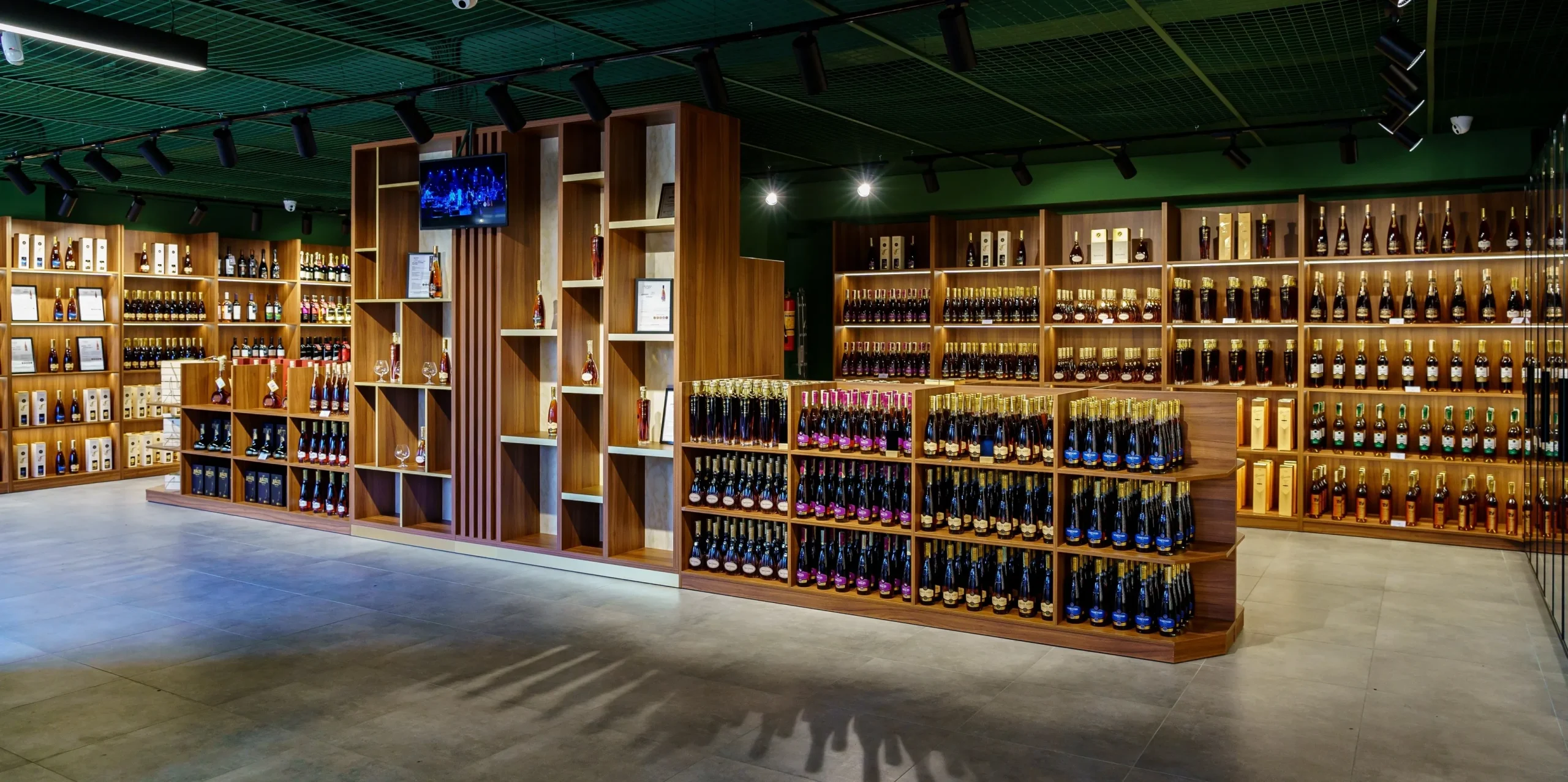
Success in the retail sector is directly linked not only to offering the right products but also to displaying them in the right way. In-store display systems are one of the most important elements that determine how products meet customers. Well-designed display areas both strengthen store organization and directly impact sales performance.
Today, physical stores have evolved into spaces where brand experiences are created, not just points of sale. One of the core components of this experience is functional and aesthetically designed display systems.
In-store display systems are equipment and furniture solutions that enable products to be displayed in an organized, accessible, and visually appealing manner within a store. Shelving systems, gondolas, wall units, mid-floor displays, and special product stands are among the core components of these systems.
These systems do more than simply hold products. They also guide customer flow, facilitate in-store navigation, and positively influence purchasing decisions by extending the time customers spend shopping.
In-store display systems represent the visible face of a retail strategy. A well-designed display layout enables customers entering the store to interact with products more quickly and effectively.
Displaying products at eye level and in a logical arrangement increases the likelihood that customers will notice and examine them. In-store display systems help prevent clutter by clearly separating product groups.
Strategically positioned display areas encourage unplanned purchasing behavior. Displaying related products together strengthens cross-selling opportunities.
In-store display systems define the overall atmosphere of a store. The materials used, color palette, and design language directly influence how the brand is perceived by customers. A well-organized and professional display structure enhances feelings of trust and quality.
Each store format and sales strategy has different needs. For this reason, in-store display systems are designed in various types.
Mağaza duvarlarının verimli kullanılması, özellikle dar alanlar için büyük avantaj sağlar. Duvar rafları ve panelli sistemler, ürünlerin düzenli görünmesini sağlarken alan kaybını minimuma indirir.
Gondolas positioned in the center of the store offer high product capacity. Thanks to their double-sided use, customer interaction increases. They are indispensable, especially in supermarkets and large-format stores.
Special display units used for new product launches or seasonal campaigns increase in-store dynamism. These systems are an effective tool for directing customer attention toward specific products.
Small display systems located around the checkout area are critical for quick and impulse purchases. They are ideal for low-volume products that deliver high return.
Today, many stores prefer modular in-store display systems instead of fixed solutions. Modular structures make it possible to adapt quickly to changing product ranges and campaign requirements.
These systems can be easily dismantled and reassembled. As a result, store renovation processes are completed at lower cost and in a shorter time. They also offer a significant advantage in creating a standardized look across chain stores.
An effective in-store display system should be aligned with the store’s overall concept. Product categories, target customer profile, and store size are the key factors that need to be considered during the design process.
A well-planned display layout organizes in-store circulation and guides customers through the space with a natural flow. Lighting, color usage, and shelf placement are integral parts of this configuration.
In-store display systems are not only an aesthetic element but also a strategic investment in terms of operational efficiency. With the right systems, inventory tracking becomes easier, product placement times are reduced, and the workload of store staff is optimized.
As competition in the retail world intensifies day by day, evaluating in-store spaces with smart and functional solutions provides brands with a significant advantage.