
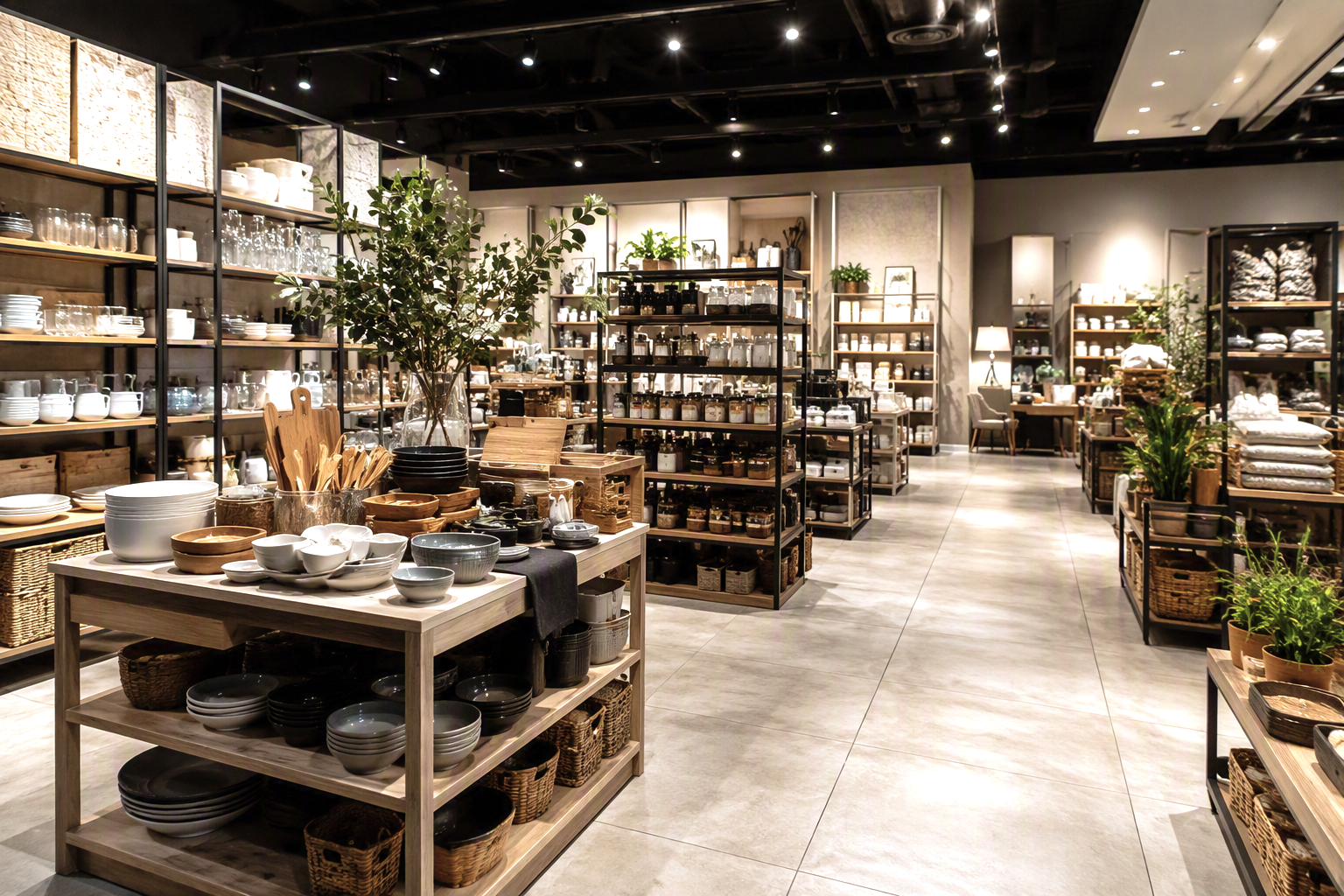
Success in the retail sector depends not only on the quality of the products offered but also on the shopping experience delivered to customers. Store layout, product display methods, and the overall appearance of the sales area can directly influence purchasing decisions. In this context, retail store furniture stands out as one of the fundamental elements for creating a store environment that is both functional and visually appealing.
Properly selected retail store furniture not only enhances product presentation but also improves in-store navigation and strengthens brand perception. In modern retail environments, store furniture is no longer viewed merely as display equipment; it is considered a strategic investment that helps shape the overall customer experience.
Retail store furniture solutions include shelving systems, display units, stands, checkout areas, and custom-designed fixtures used for product presentation, storage, and customer engagement within retail environments.
These furniture solutions can be designed to meet the specific needs of different industries. The shelving systems required in a supermarket may have different features from the display units used in a cosmetics store or an electronics retailer. However, all retail store furniture serves the same purpose: to make products more visible and enhance the overall shopping experience.
The equipment used within a store can significantly influence how customers perceive the space. A well-organized and professionally designed store can help build trust while encouraging customers to spend more time inside the store.
Retail store furniture offers the following advantages:
These advantages can contribute to both increased customer satisfaction and improved sales performance.
A successful store design is not solely about creating a stylish appearance. The furniture used must be suitable for the product range, store size, and target audience.
The following criteria should be considered when selecting retail store furniture:
Every square meter should be utilized effectively. Especially in smaller stores, efficient use of space can help increase sales capacity.
In stores with high customer traffic, it is important for furniture to be durable and long-lasting. Durable materials help reduce maintenance costs.
Store furniture with modern lines supports the brand’s corporate identity and creates a professional appearance.
Systems that can quickly adapt to changing product categories and promotional campaigns provide operational advantages for stores.
Store furniture used in the retail sector serves different purposes. The most common solutions include:
It is one of the most commonly used fixtures in retail stores. Wall shelving, gondola shelving systems, and center store shelving allow products to be displayed in an organized and categorized manner.
It is used to highlight new products, promotional campaigns, or special collections. When positioned correctly, it can attract customer attention and contribute to increased sales.
Furniture specifically designed for the checkout area, which represents the final stage of the customer experience, is important for both operational efficiency and store organization.
Wall panels and hanging systems are commonly used in apparel, cosmetics, and electronics stores to effectively display a wide variety of products.
Retail store furniture designed specifically for a brand’s concept helps distinguish the store from its competitors.
Today, customers visit stores not only to make purchases but also to enjoy a pleasant experience. While cluttered and disorganized stores can make it difficult for customers to find products, well-planned store furniture creates a more comfortable shopping environment.
Thanks to retail store furniture, customers can examine products more easily, move comfortably throughout the store, and find the items they are looking for more quickly. This can increase customer satisfaction while also positively influencing repeat visit rates.
With the advancement of technology and evolving consumer expectations, significant changes have also emerged in store design. Minimalist designs, modular systems, and sustainable materials have become some of the most prominent trends in recent years.
Modern retail store furniture is now used not only for displaying products but also for telling a brand’s story and building connections with customers. Especially in experience-driven store concepts, furniture has become an important part of the overall shopping experience.
The physical appearance of a store is one of the most important factors that shape customers' first impressions of a brand. For this reason, choosing the right retail store furniture not only enhances product display performance but also creates a strong and professional corporate image.
Store furniture that combines aesthetics, functionality, and durability helps make sales areas more efficient while providing customers with a more professional shopping experience. For businesses looking to stand out in the highly competitive retail sector, choosing the right store furniture is one of the key building blocks of long-term success.