

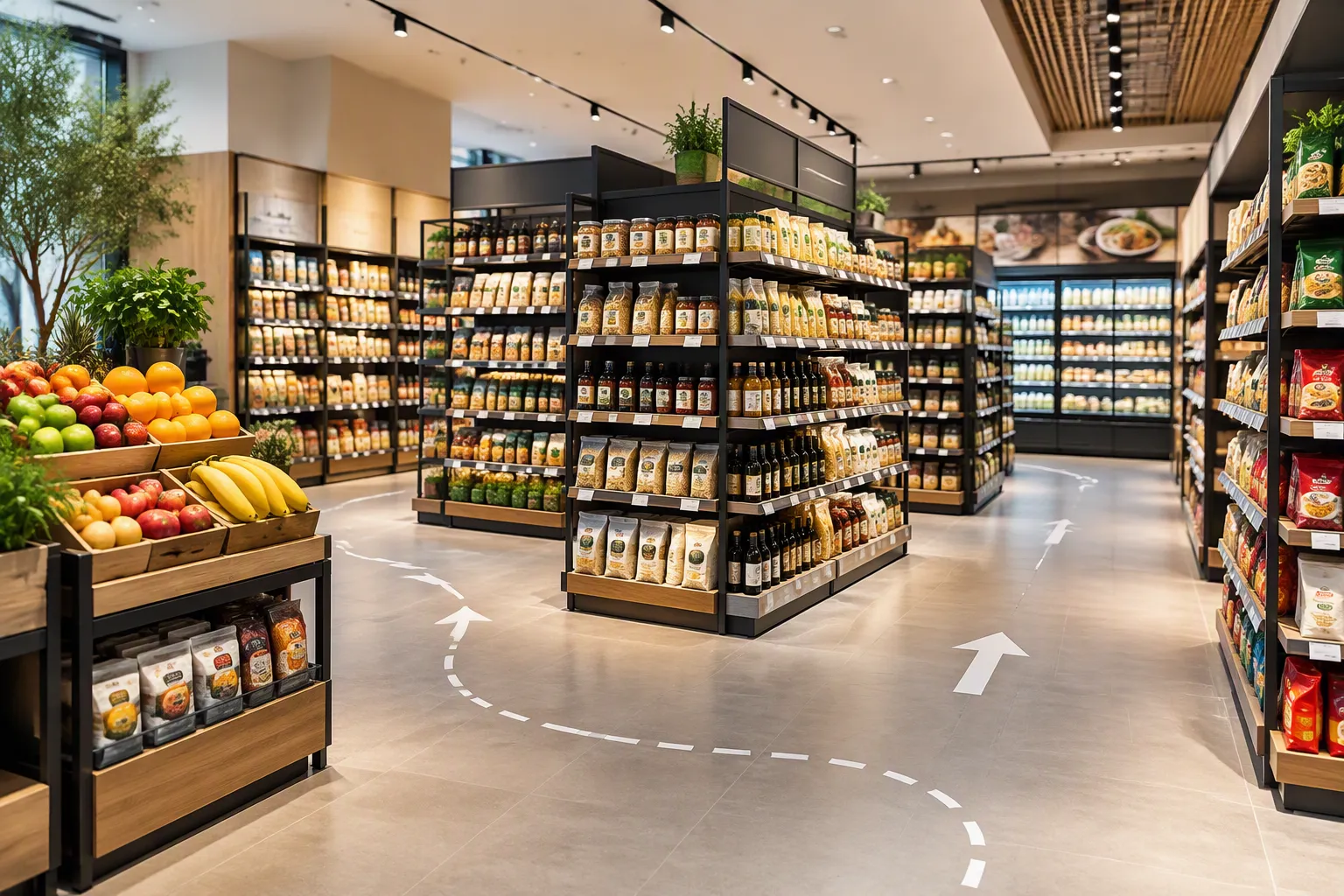
There are many factors that influence customer purchasing behavior in the retail sector. In addition to product quality, pricing, and store atmosphere, the way products are positioned within the store also plays a critical role. At this point, in-store product placement stands out as a strategic practice that enhances the customer experience, increases product visibility, and supports sales performance.
A well-planned in-store product placement strategy helps customers navigate the store more easily while improving access to products. At the same time, it enables more efficient use of retail space, providing businesses with significant operational and commercial advantages.
In today’s highly competitive retail environment, capturing customer attention is becoming increasingly challenging. For this reason, the strategic placement of products within the store plays a critical role.
The key benefits of in-store product placement include:
Customers can be influenced by the products they encounter while browsing a store and may make unplanned purchases. For this reason, it is important to display high-potential products in strategic locations throughout the store.
Particularly, store entrances, checkout areas, and sections with high customer traffic can serve as strategic sales zones. With effective in-store product placement, retailers can capture customer attention and positively influence purchasing decisions.
Eye-Level Placement
Research shows that customers notice products placed at eye level more quickly than those positioned elsewhere. For this reason, products with high sales potential or higher profit margins are typically displayed on eye-level shelves.
Category-Based Placement
Displaying similar product groups together makes it easier for customers to find the items they need. This approach not only strengthens store organization but also enhances the overall shopping experience.
Cross-Selling Placement
Positioning complementary products close to one another can help increase sales. For example, placing cups or snack items near coffee products can encourage customers to make additional purchases.
Creating Promotional Display Areas
Discounted and promotional products displayed in prominent areas throughout the store can achieve greater visibility. These dedicated display zones are highly effective in attracting customer attention and increasing engagement with featured products.
A successful in-store product placement strategy goes beyond shelf organization alone. Store fixtures, display systems, and overall store design are also essential components of this process.
The right store design:
Therefore, when planning product placement, both the store concept and customer behavior should be considered together.
Incorrect product placement within a store can negatively impact sales performance.
The most common mistakes include:
Excessive Product Density
Excessive product displays can make a store appear cluttered and overwhelming. Dense layouts that make it difficult for customers to browse products may negatively affect the overall shopping experience.
Insufficient Category Separation
Displaying similar product groups in a mixed or unorganized manner can make it more difficult for customers to find the products they are looking for.
Inefficient Use of Strategic Areas
Ineffective use of entry points, checkout areas, and promotional zones can result in missed sales opportunities.
Incorrect Use of Display Systems
Products displayed using fixtures that are not suitable for their size or product category can reduce product visibility and negatively affect the store’s overall aesthetics.
Today, retail stores increasingly rely on technological solutions that analyze customer behavior and movement patterns. Heat maps, customer traffic analysis, and digital store planning tools enable retailers to optimize product placement and improve overall store efficiency.
These insights help identify the areas most frequently visited by customers while also supporting the continuous improvement of store layout and organization.
In successful store management, how products are displayed is just as important as the products themselves. Effective in-store product placement helps customers access products more easily while creating a more enjoyable shopping experience throughout the store.
With a well-planned product placement strategy, product visibility can be enhanced, sales space can be utilized more efficiently, and customer satisfaction can be strengthened. For businesses seeking a competitive advantage in today’s retail industry, effective product placement has become one of the key drivers of sustainable success.